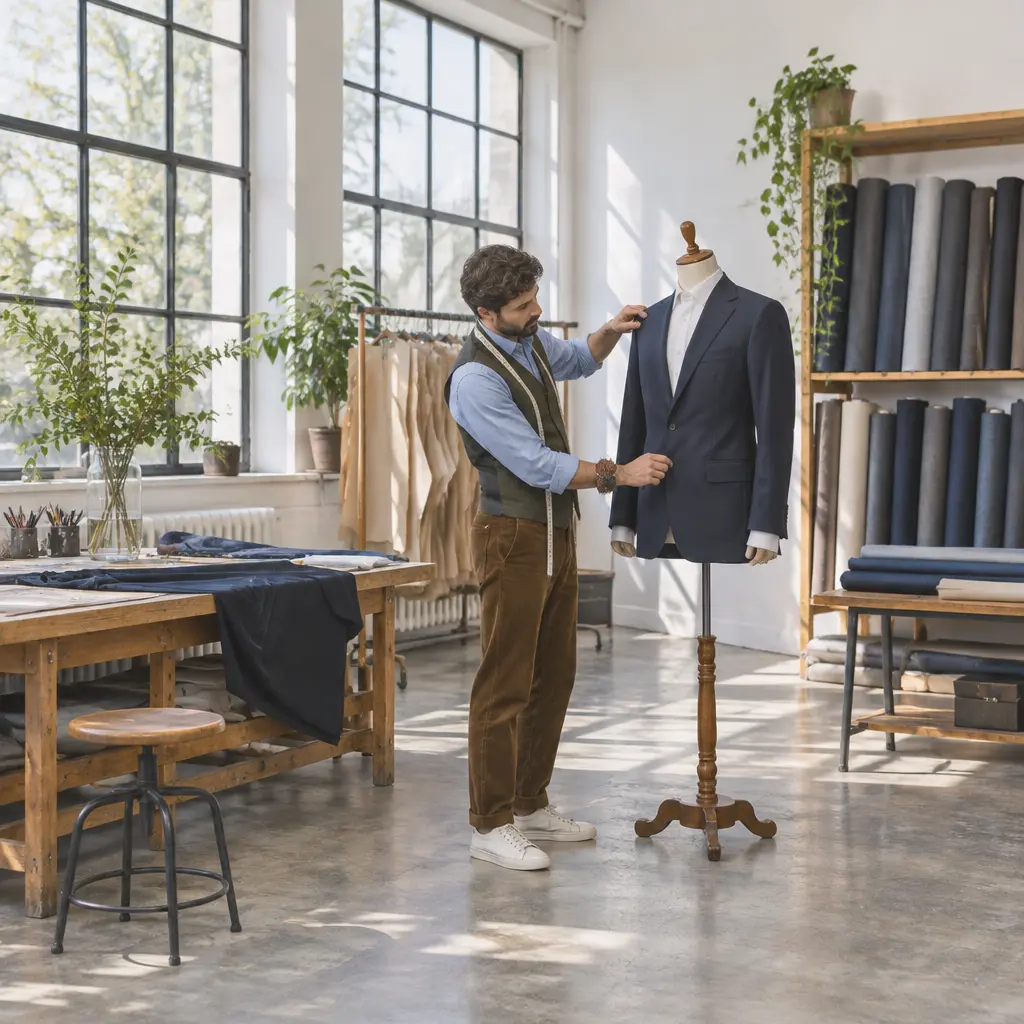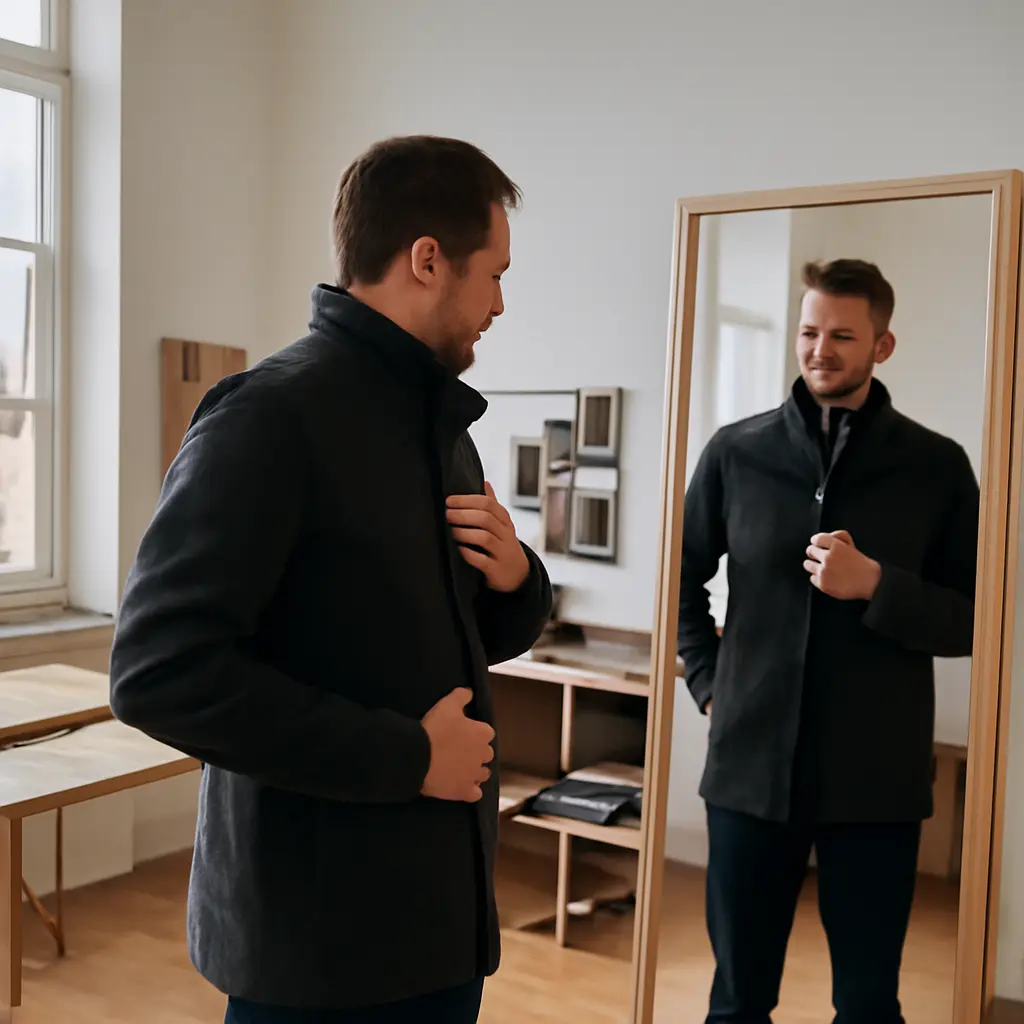
Tailored outerwear combines the precision of a shaped fit with materials chosen for protection, comfort, and style. Unexpected fabric combinations—such as wool with technical nylon, leather with quilted insulation, or denim with water-resistant panels—make coats and jackets more adaptable to changing weather and everyday use. The idea is practical as well as aesthetic: the World Meteorological Organization reports that 2024 was the warmest year on record, at about 1.55°C above the 1850–1900 average, underscoring why versatile layering and weather-responsive clothing matter. Thoughtful combinations can improve function, but their success depends on fabric compatibility, construction, care, and responsible sourcing.
How Fabric Combinations Improve Tailored Outerwear
Tailored outerwear is clothing designed with deliberate shaping—through pattern pieces, seams, darts, or internal structure—to sit cleanly on the body while serving as an outer layer. Textile Exchange’s materials guidance treats fiber choice as a significant part of a product’s performance and environmental profile; in garment design, fabric combinations extend that choice across different zones of a coat. A designer can place a breathable material where movement or ventilation matters and a tougher, water-resistant textile where exposure is greatest.
This approach includes several related forms: mixed-fiber cloth, contrasting panels, layered shells and linings, and hybrids that join formal tailoring to sportswear construction. The key is not novelty for its own sake. Each material should have a clear role, and the cut, weight, and finishing should make the combined garment feel intentional.
Wool and Technical Nylon
A wool-and-nylon combination pairs wool’s familiar warmth and textured appearance with nylon’s strength and low weight. Designers may use wool for the main body and nylon for a hood, shoulder panel, pocket, or storm flap, or choose a blended yarn for more even performance. Nylon’s durability can be useful in high-abrasion areas, while wool helps preserve a classic tailored look.
The International Wool Textile Organisation describes wool as naturally crimped and hygroscopic: it can absorb moisture vapor while helping regulate the conditions next to the wearer. These qualities do not make a wool coat waterproof, however. A nylon panel or suitable membrane may add weather protection, but seams and closures still need careful design to prevent water from entering. A city overcoat with a wool body and a treated nylon hood is one practical example of this pairing.
Leather and Quilted Insulation
Leather-and-quilted hybrids combine a durable outer surface with insulated sections that trap warm air. Leather is often used on sleeves, yokes, or pocket trim, while quilted fabric supplies warmth across the torso. This construction can give a tailored jacket a stronger visual contrast while reducing the weight that an all-leather insulated garment might carry.
The International Organization for Standardization’s ISO 6942 test method evaluates protective clothing materials when exposed to radiant heat, illustrating the broader principle that thermal performance depends on measured material behavior rather than appearance alone. It is not a general warmth rating for fashion coats, but it reinforces the need to assess the complete material system. Designers should account for insulation thickness, lining, seam construction, and leather treatment; consumers should follow the care label, since leather and quilted fabrics may require different cleaning methods.
Denim and Water-Resistant Panels
Denim paired with water-resistant fabric brings a casual, structured textile together with protection in areas exposed to rain. A jacket might use denim across the front and back, then add a coated yoke, hood, or lower sleeve panels. The combination can preserve denim’s familiar character while making the garment more useful in changeable conditions.
“Water-resistant” and “waterproof” are not interchangeable claims. The American Association of Textile Chemists and Colorists describes standardized methods for evaluating water repellency, including spray testing; such tests assess defined conditions and do not guarantee that a whole garment will remain dry in every storm. Seams, zippers, surface wear, and laundering can affect real-world performance. Clear product labeling should therefore explain the intended level of protection and any limits.
How Tailored Outerwear Combines Fabrics Successfully
Once designers choose the fabric roles, the challenge shifts from contrast to compatibility. Different textiles can shrink, stretch, crease, and age at different rates. Patternmakers and makers need to account for those differences so the garment retains its shape and remains comfortable after repeated wear.
Balance Weight, Drape, and Fit
Weight and drape describe how a textile hangs and moves. A heavy wool body joined to a very light shell panel can pull at seams; a stiff panel placed across a flexible shoulder can restrict movement. Designers can test fabric samples together, check the garment in motion, and place firmer materials in zones where structure is useful rather than where flexibility is essential.
The American Society for Testing and Materials publishes methods for evaluating textile properties such as tensile behavior and dimensional change. Those laboratory methods do not replace garment fitting, but they help brands compare materials and anticipate problems such as stretching or shrinkage. A well-fitted hybrid coat should allow room for the layers it is intended to cover without losing the clean lines of its tailored cut.
Plan Seams, Linings, and Care Together
A mixed-material coat works best when its seams and lining account for how each fabric behaves. Reinforcement can help at junctions where a sturdy cloth meets a lightweight one, while a smooth lining can reduce friction over clothing. Pattern placement also matters: a seam that crosses a high-movement area may be less comfortable than a panel shaped to follow the shoulder or elbow.
Care instructions should be considered before production, not added as an afterthought. A garment combining wool, leather, and coated fabric may need specialist cleaning, while some technical finishes can be diminished by unsuitable detergents or heat. The Federal Trade Commission’s care-labeling rule requires covered textile garments to carry instructions for regular care or warnings when a method could harm the product. Buyers should check the label before purchasing, especially when different components appear to require conflicting treatment.
Consider Durability and Environmental Trade-Offs
Combining fabrics can extend usefulness when each material is placed where it performs best, but additional materials and complex construction can also make repair, recycling, and end-of-life processing more difficult. Textile Exchange’s 2024 Materials Market Report estimates that global fiber production reached about 124 million tonnes in 2023, a figure that illustrates the scale of material demand across the industry. It is a measure of fiber production, not a direct measure of outerwear’s environmental impact.
More responsible design can include durable components, replaceable trims, repairable seams, recycled or certified fibers where appropriate, and transparent disclosure of material content. The European Environment Agency has also highlighted textiles’ environmental pressures across production and consumption, supporting a broader shift toward longer use and better circularity. For shoppers, choosing a coat that can be repaired and worn across several seasons may matter more than selecting a hybrid solely for its novelty.
How to Choose a Fabric-Mix Coat
The best fabric combination depends on climate, routine, and personal care preferences. A commuter exposed to wind and rain may value a protective shell and secure closures; someone seeking a formal city coat may prioritize wool texture and a discreet technical lining. In either case, inspect the garment as a complete system rather than judging each textile in isolation.
- Check which fabric is used in each zone and what purpose it serves.
- Look for clear information about water resistance, insulation, and intended weather conditions.
- Move your arms and shoulders to test whether panel transitions restrict the fit.
- Review the care label and consider whether the required maintenance suits your routine.
- Ask about repairs, replacement parts, fiber content, and sourcing where that information is available.
A useful visual for comparing options would be a simple garment-zone diagram showing shell fabric, lining, insulation, and reinforcement panels. It would help readers distinguish a genuine functional hybrid from a coat that uses contrasting fabrics only as decoration.
Conclusion: Smarter Fabric Choices Make Better Tailored Outerwear
Tailored outerwear becomes more versatile when contrasting fabrics have complementary jobs. Wool with technical nylon can balance a classic look with targeted weather protection; leather with quilting can combine a durable surface with warmth; and denim with water-resistant panels can adapt a familiar fabric to damp conditions. The strongest designs also account for fit, seam performance, care, durability, and material impacts. When shopping, compare the garment’s construction and care requirements—not just its appearance—and choose a coat designed for the weather and wear it will actually face.
Sources: World Meteorological Organization, State of the Global Climate 2024, https://wmo.int/publication-series/state-of-global-climate-2024; Textile Exchange, Materials Market Report 2024, https://textileexchange.org/knowledge-center/reports/materials-market-report-2024/; International Wool Textile Organisation, Wool Properties, https://iwto.org/wool-supply-chain/wool-properties/; International Organization for Standardization, ISO 6942:2022 Protective clothing—Protection against heat and fire—Method of test: Evaluation of materials and material assemblies when exposed to a source of radiant heat, https://www.iso.org/standard/79757.html; American Association of Textile Chemists and Colorists, AATCC TM22 Water Repellency: Spray Test, https://www.aatcc.org/; ASTM International, ASTM D5034 Standard Test Method for Breaking Strength and Elongation of Textile Fabrics, https://www.astm.org/d5034-21.html; U.S. Federal Trade Commission, Care Labeling of Textile Wearing Apparel and Certain Piece Goods, https://www.ftc.gov/legal-library/browse/rules/care-labeling-textile-wearing-apparel-certain-piece-goods; European Environment Agency, Textiles and the Environment: The Role of Design in Europe’s Circular Economy, https://www.eea.europa.eu/publications/textiles-and-the-environment-the